Invest in Real Estate in Costa Rica, the happiest country on earth
About Costa Rica
The Central American country of stunning beaches, rainforests, and biodiversity, is also known for its stable democracy and educated population.
— The Economist
Why invest in Costa Rica?
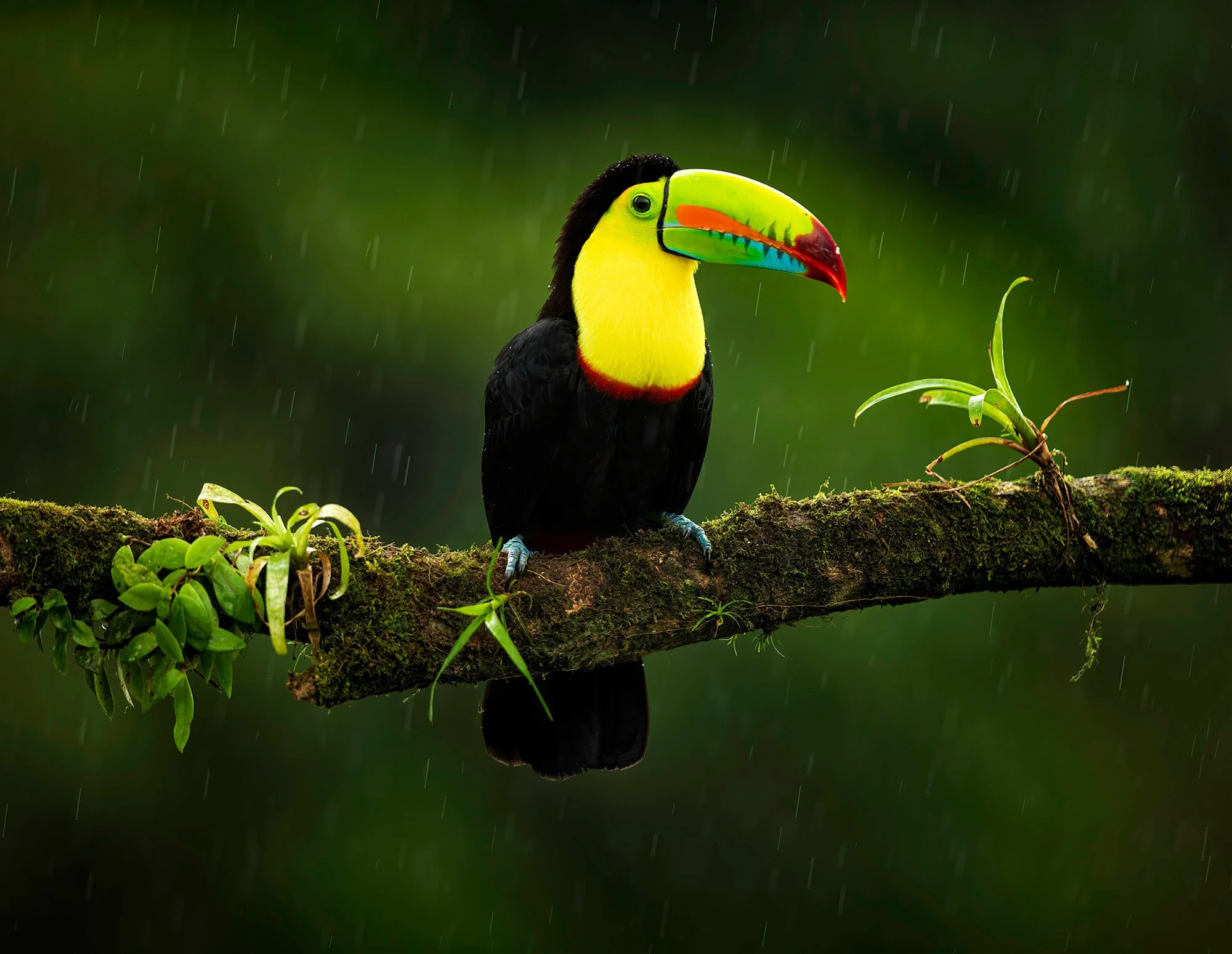
Costa Rica offers a unique blend of lifestyle and investment potential. A global leader in eco tourism, it attracts steady international demand thanks to its protected nature and biodiversity, supporting strong real estate value.
With no standing army and a stable democracy, the country prioritizes education, healthcare, and infrastructure, creating a safe and attractive environment. It also runs on over 95 percent renewable energy, reinforcing its sustainability leadership.

Pura Vida
“Pura Vida” is more than an expression, it is a mindset. It reflects a way of living centered on simplicity, gratitude, and a positive outlook, where people value experiences, nature, and human connection over material excess.
It is present in everyday interactions, in the pace of life, and in the balance between work, family, and well being. This collective philosophy shapes a society that feels relaxed yet deeply fulfilling.
That is also why Costa Rica is often ranked among the happiest countries on earth 😊
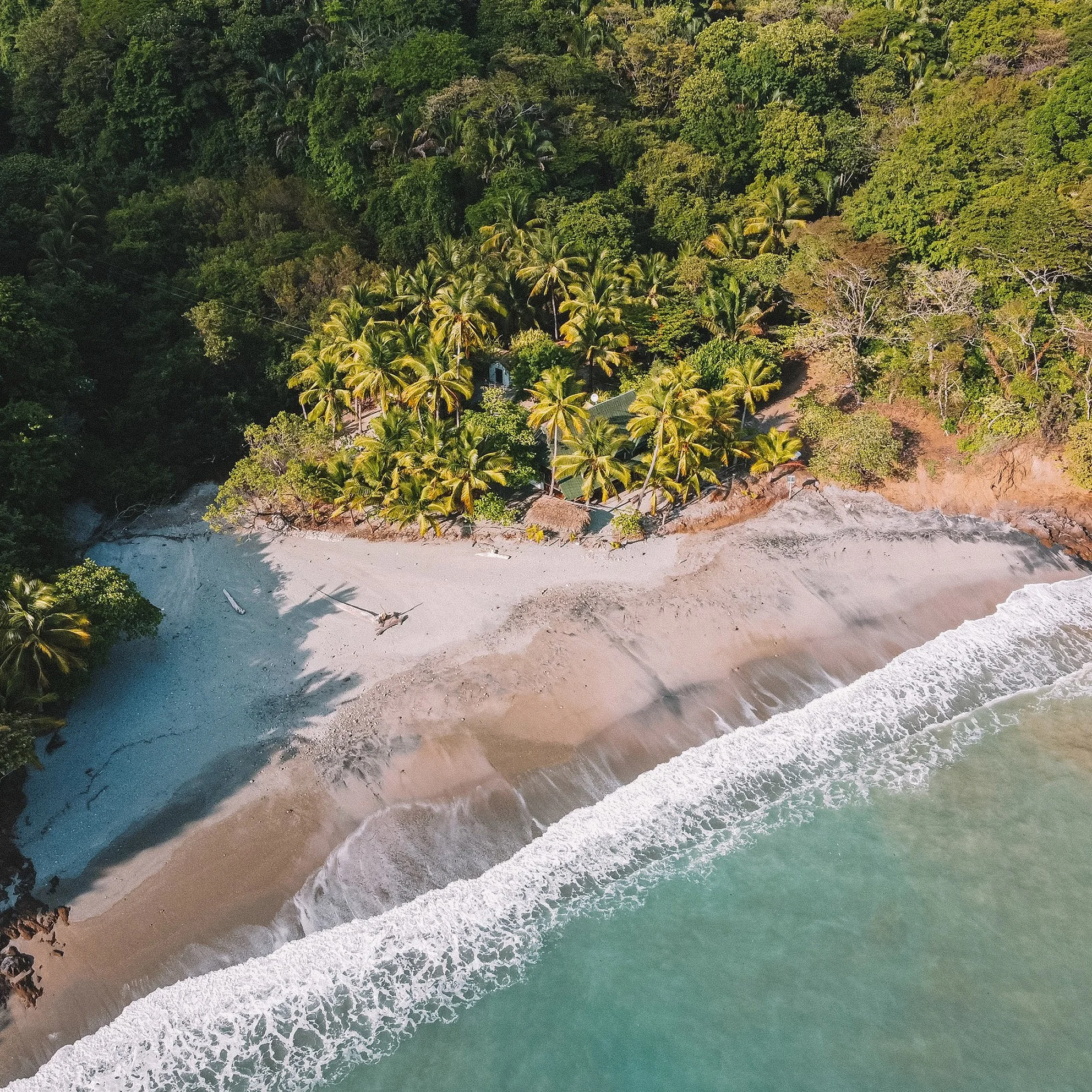
From Caribbean to Pacific
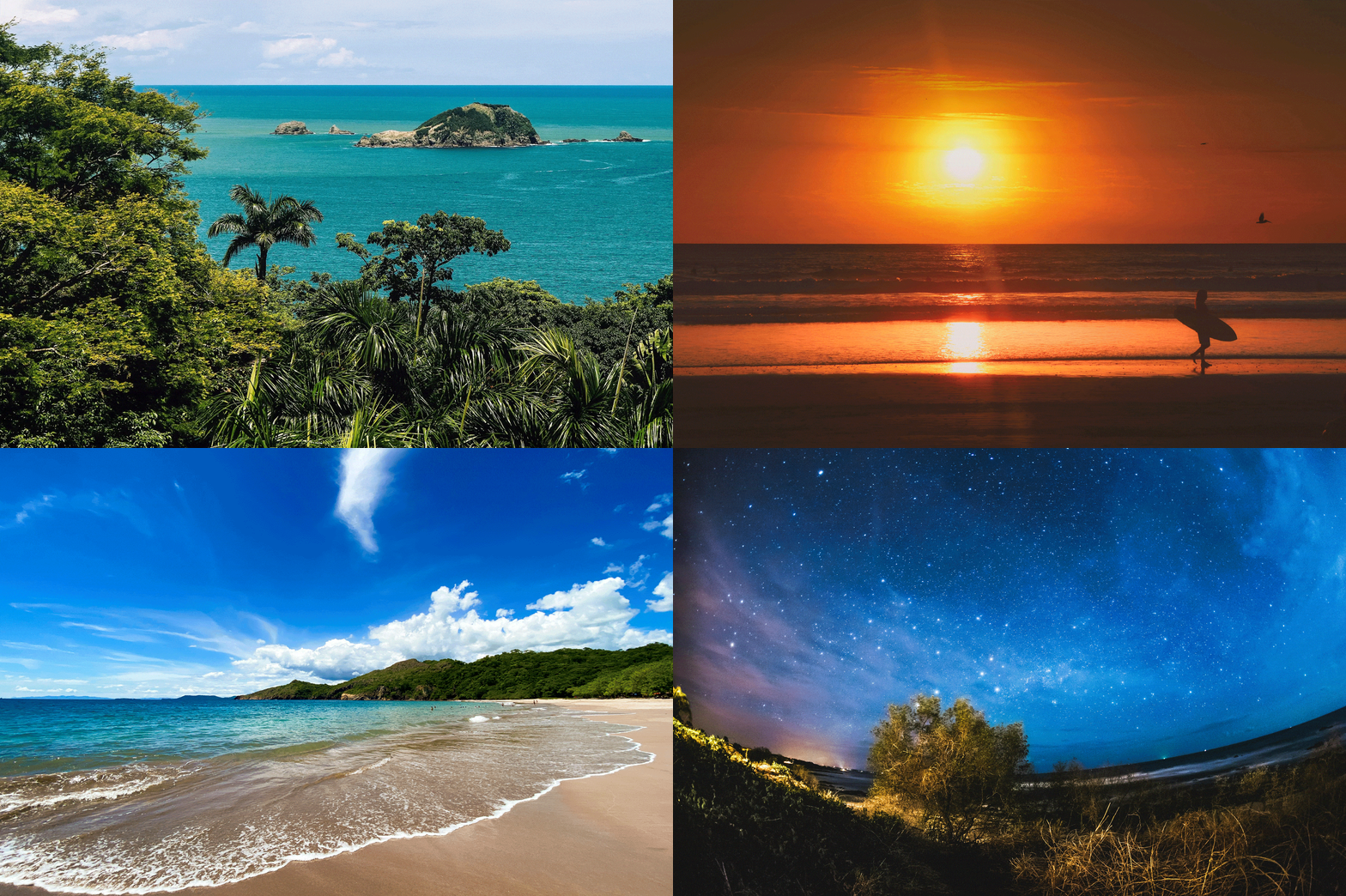
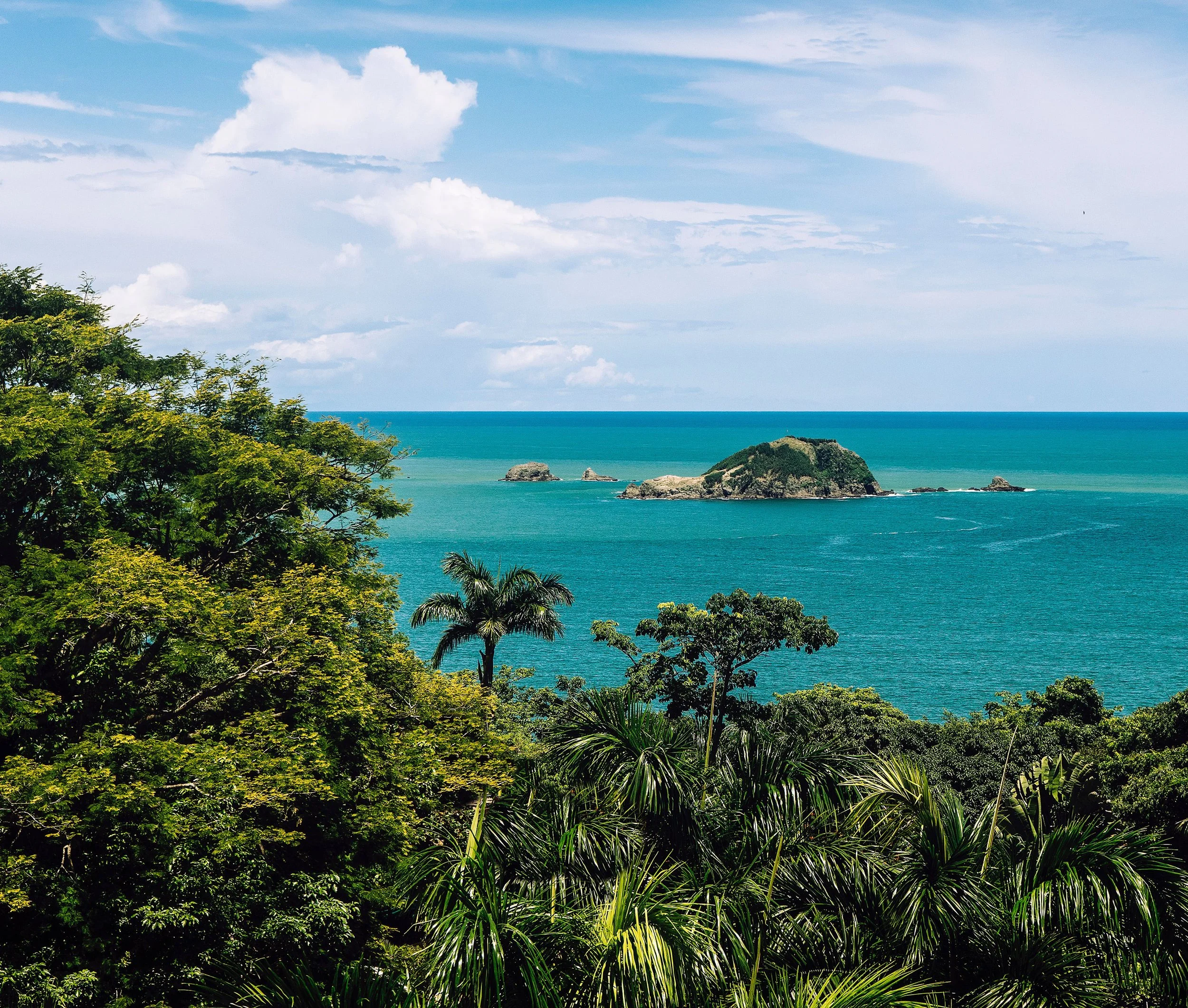
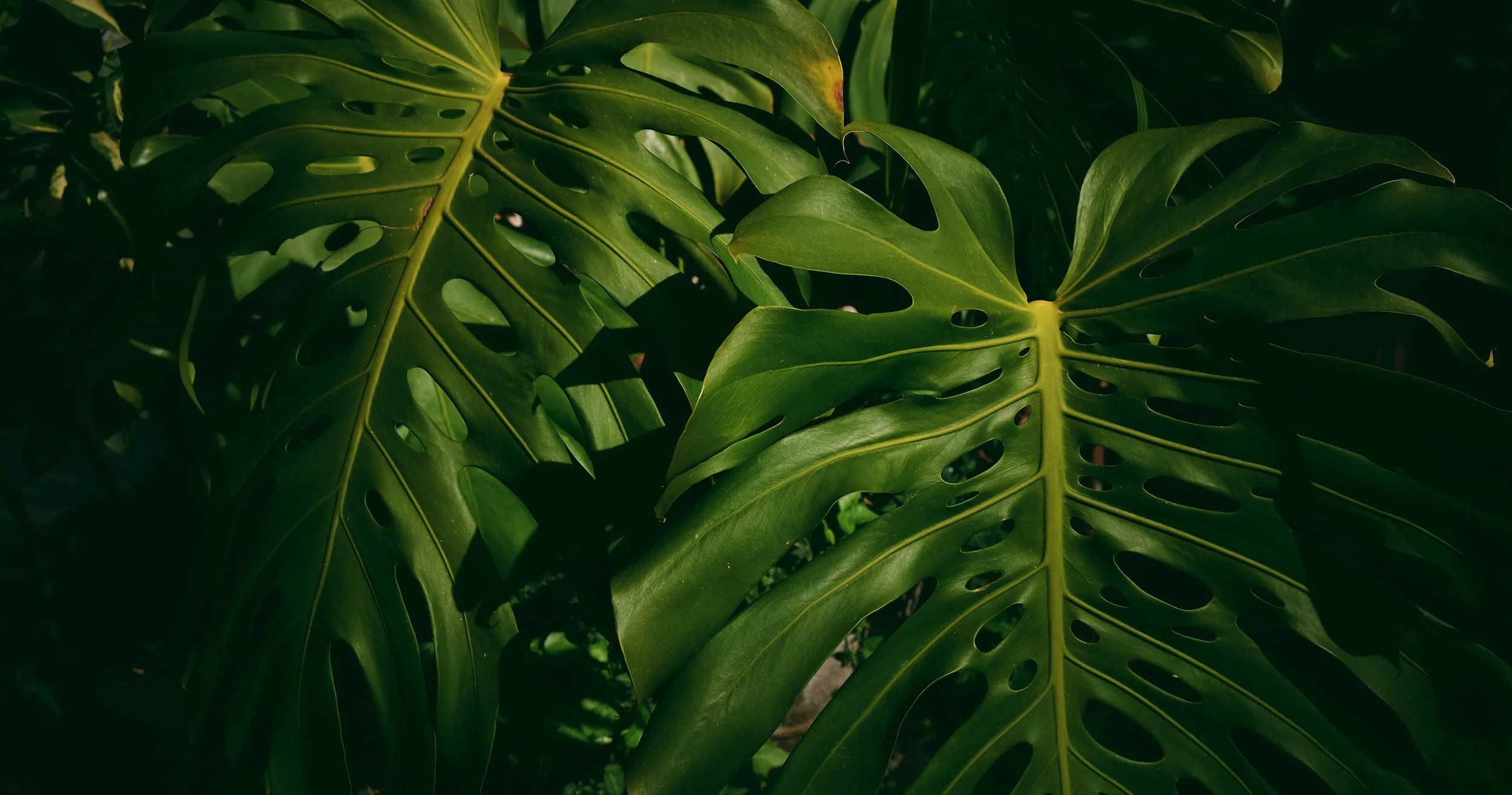
Costa Rica features diverse ecosystems, ranging from lush tropical rainforests such as Arenal Volcano, Tortuguero, Manuel Antonio, the Osa Peninsula, and Golfito, to the tropical dry forests of Guanacaste and the Gulf of Nicoya.
Investing in Costa Rica allows you to have a place to enjoy while at the same time getting profits off from it when you are not using it.
-
It all starts with your life project, your needs, your priorities. Land, sea, primary forest... Several investment opportunities are available for you, for all tastes and budgets.
-
Develop your real estate capital and generate rental income. Our job is to advise you in your acquisitions and support you over the long term (seasonal rentals, maintenance, etc.)
-
Any foreigner, resident or non-resident, has legally the same rights as a citizen, in the purchase of all Costa Rican real estate at the exception of (1) Maritime Lands (ZMT) located within 200 meters from waterfront, and (2) INDER properties, land donated to particular farmers.
-
You can purchase Costa Rican real estate in your name, with as many partners as you like, or in corporation such as a Sociedad Anónima (S.A.) or a Sociedad Responsabilidad Limitada (SRL), which is similar to an LLC, following your preferences and attorney’s advices.
-
Under Costa Rican law, the transfer of property assets is subject to a profit tax of 2.5% only. This tax is based on the value between the transfer value of the property and the value of the property registered before the Costa Rican Tax Authority. You can purchase a property in a holding company or on your own name. The cost of title transfers is around 5 to 6% of the total sales price, usually shared between buyers and sellers, detailed as follow : Legal stamps are approximately 1 %, transfer taxes are around 1.5 %, notary fees are on a sliding scale around 3 %. On another hand, property taxes are fixed at 0.25% yearly and must be paid to Municipality. Property owners are obliged to re-assess their property every five years.
Eco-tourism growth
Costa Rica receives over 2.6 million tourists per year, the majority of whom come from the United States and Canada. Earnings from tourism exceed $4.5 billion US dollars annually, making it one of the country’s leading economic sectors. It is estimated that a significant share of visitors come to engage in eco-tourism and nature-based activities, which remain a core driver of Costa Rica’s global appeal.
"The future might not be North American or Western European, it might be Latin American."
Nic Marks, Happy Planet Index
"Not spending on the armed forces allowed our country to protect our ecosystem."
Carlos Alvarado, Costa Rica President
Happiness first
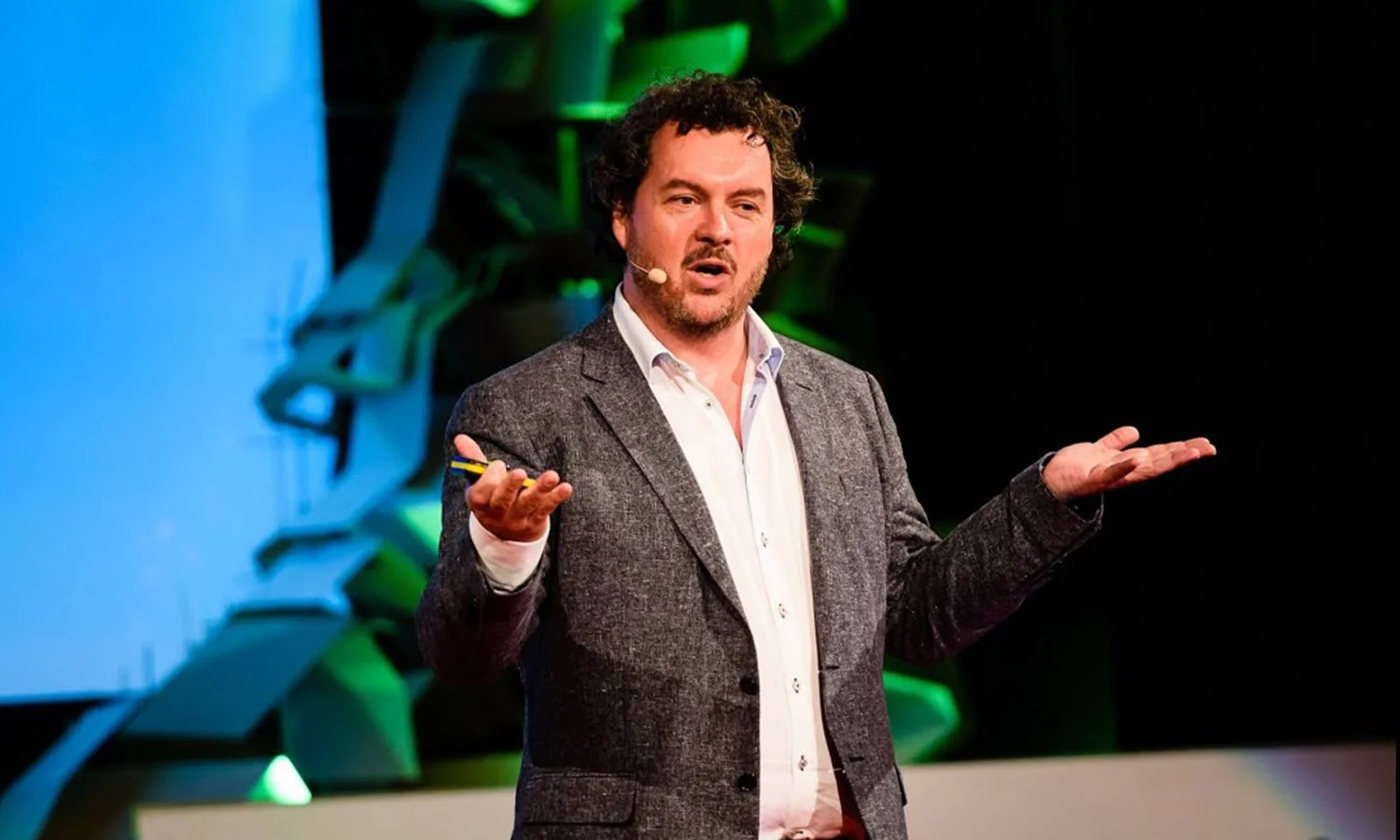
Nic Marks gathers evidence about what makes us happy, and uses it to promote policy that puts the well-being of people and the planet first. He's the founder of the Centre for Well-Being at the UK think tank New Economics Foundation (NEF).
Watch the video here or on Ted Talks